Construction Has Always Required Preparation
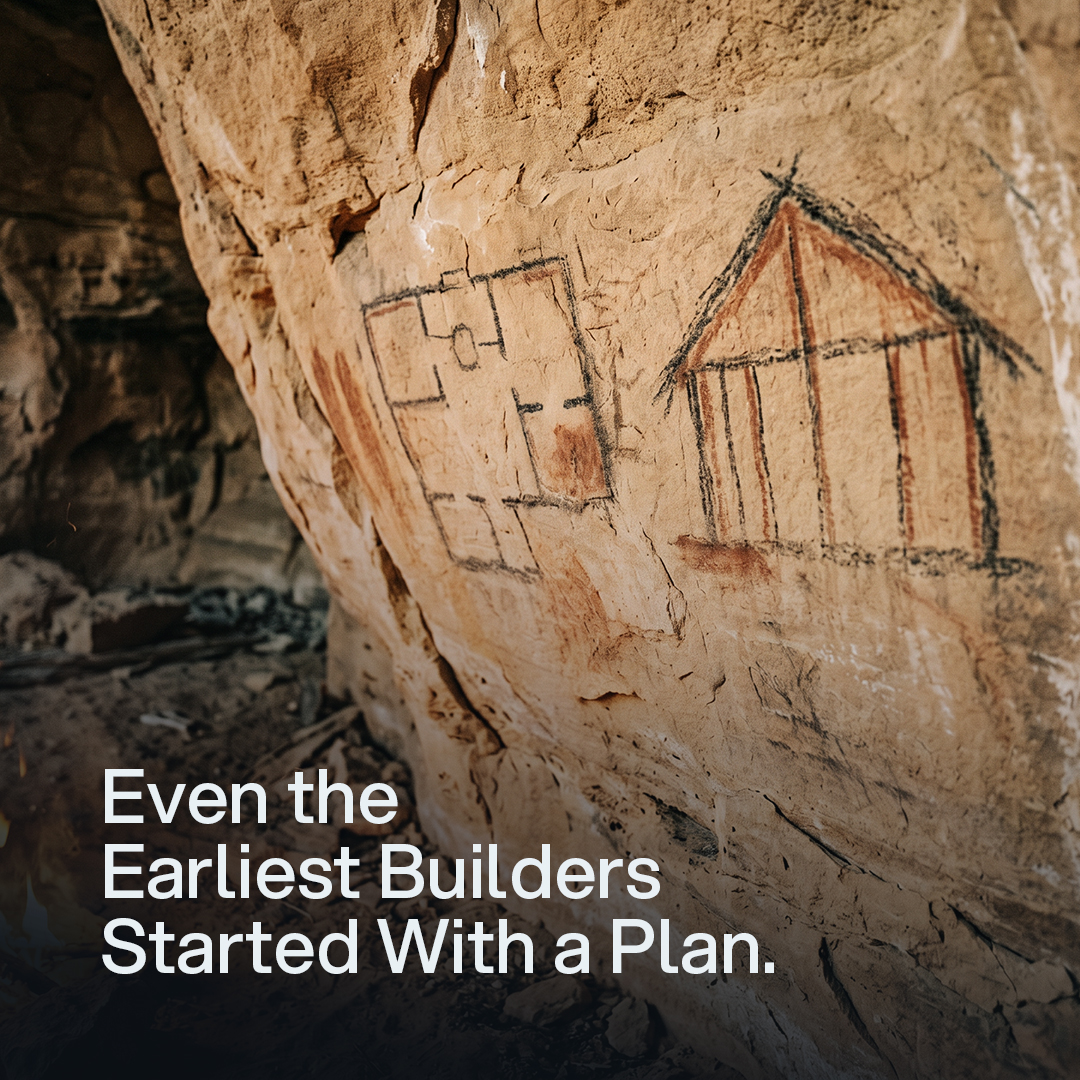
Construction is one of the oldest industries in the world. Long before modern technology, software, or detailed project documentation existed, builders still understood one essential truth: meaningful structures could not be created without preparation.
Even the earliest forms of construction required planning and coordination. Someone had to understand the conditions of the ground, determine which materials were available, organize labor, and think through how the structure would come together step by step. Without that preparation, projects would fail before they even began.
Today, we call this process preconstruction.
The terminology may be modern, but the responsibility itself is centuries old.
What Changed Over Time
While the purpose of preconstruction has remained consistent, the scale and complexity of construction projects have changed dramatically.
Modern buildings are no longer simple assemblies of basic materials. Today’s projects involve highly integrated systems, specialized trades, strict regulatory approvals, compressed schedules, sustainability requirements, advanced materials, and constant coordination between dozens — sometimes hundreds — of project participants.
As construction evolved, preconstruction had to evolve with it.
Preparation today involves far more than sketches or rough planning. It includes:
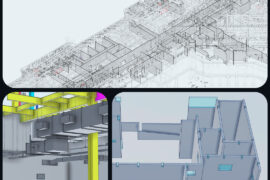
- BIM modeling and digital coordination
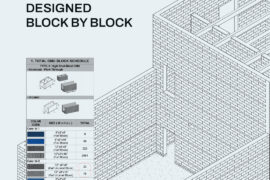
- Shop drawings and fabrication documentation
- 3D laser scanning and existing condition verification
- Scheduling and sequencing analysis
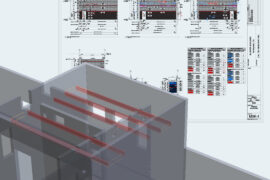
- Clash detection and coordination reviews
- Material planning and digital nesting
- Technical documentation and submittals
- Ongoing communication between architects, engineers, contractors, fabricators, and field teams
Modern preconstruction has become a highly technical and collaborative process designed to reduce uncertainty before work begins in the field.
Understanding the Work Before It Becomes Physical
At its core, preconstruction exists for one reason: to understand the project before the project becomes physical.
This stage allows teams to identify conflicts, evaluate constructability, refine designs, coordinate systems, and make informed decisions before materials are ordered or installation begins. Problems discovered during planning are significantly less expensive and less disruptive than problems discovered during construction.
That is why strong preconstruction directly impacts project efficiency, quality, budget control, and scheduling performance.
The more accurately teams can visualize and coordinate the work ahead of time, the smoother the construction process becomes.
Why Preconstruction Matters More Than Ever
In many ways, preconstruction has become one of the most important phases of modern construction. While field operations are the visible side of the industry, much of a project’s success is determined long before crews arrive on site.
Well-executed preconstruction helps teams:
- Reduce costly field conflicts
- Improve coordination between trades
- Minimize delays and rework
- Increase construction accuracy
- Support safer installation planning
- Improve communication across disciplines
- Create more predictable project outcomes
As projects become larger and more technically demanding, the value of preparation continues to grow.
The Future of Preconstruction
Technology continues to reshape how the industry plans and coordinates projects. BIM, laser scanning, cloud collaboration, digital fabrication, and real-time project communication are changing the way construction teams work together.
Yet despite all the advancements, the fundamental goal remains the same as it was centuries ago: understanding how the work will come together before construction begins.
Construction evolved.
Preconstruction evolved with it.
And as the industry continues to advance, preconstruction will remain one of the key foundations behind successful building projects.