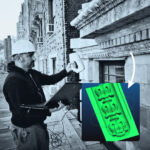

Meadow Ln, Southampton, NY.
Definitions
Digital slab nesting is a software-driven process used in stone fabrication to arrange countertop parts on a digital image of a raw slab, optimizing material usage, improving vein matching, and reducing waste. It involves capturing high-resolution photos of slabs, applying digital templates, and utilizing software for, or, automated, or artistic, layout adjustments.
Key Aspects of Digital Slab Nesting
Artistic/Vein Matching: Allows fabricators and customers to visualize the final installation, ensuring patterns and veins in materials like marble or quartz flow properly across seams before cutting.
Material Efficiency: Maximizes the use of expensive materials, saving money by fitting more pieces into smaller areas, often with automated algorithms to minimize wasted stone.
Workflow Integration: Digital photos of slabs are imported into CAD/CAM software to combine with templated designs.
Process Flow:
- Digitize: Take a photo of the slab and calibrate it to correct perspective.
- Nest: Place, rotate, and align parts on the digital slab image.
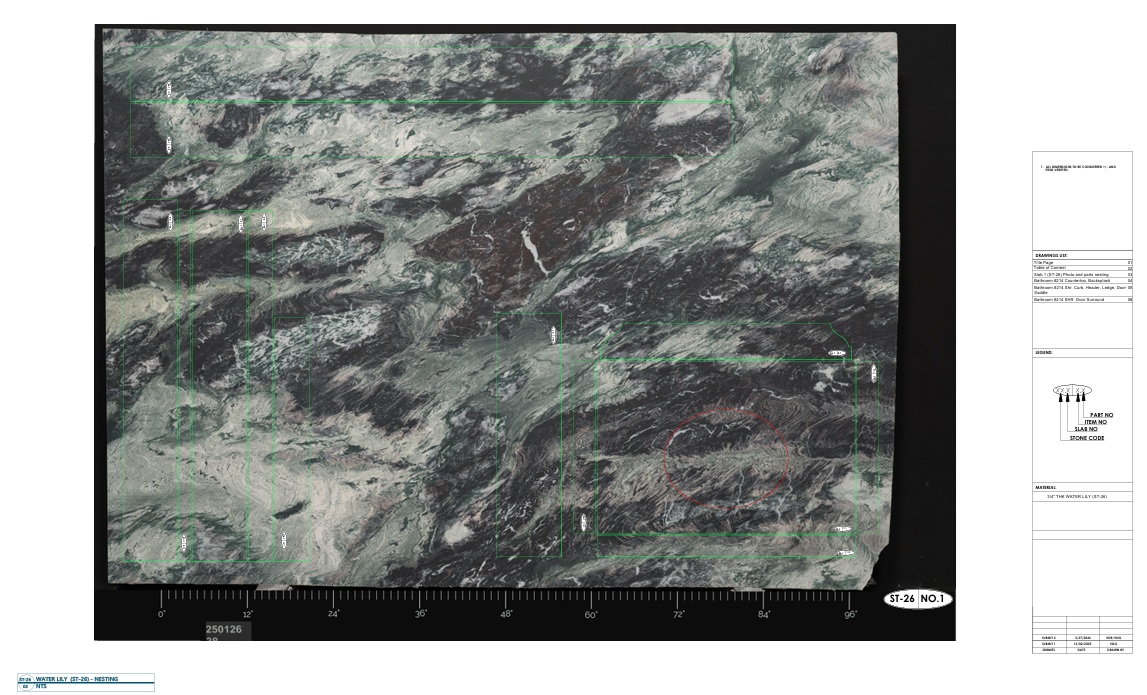
- Approve: Send the shop drawings with nesting to the project architect for approval.
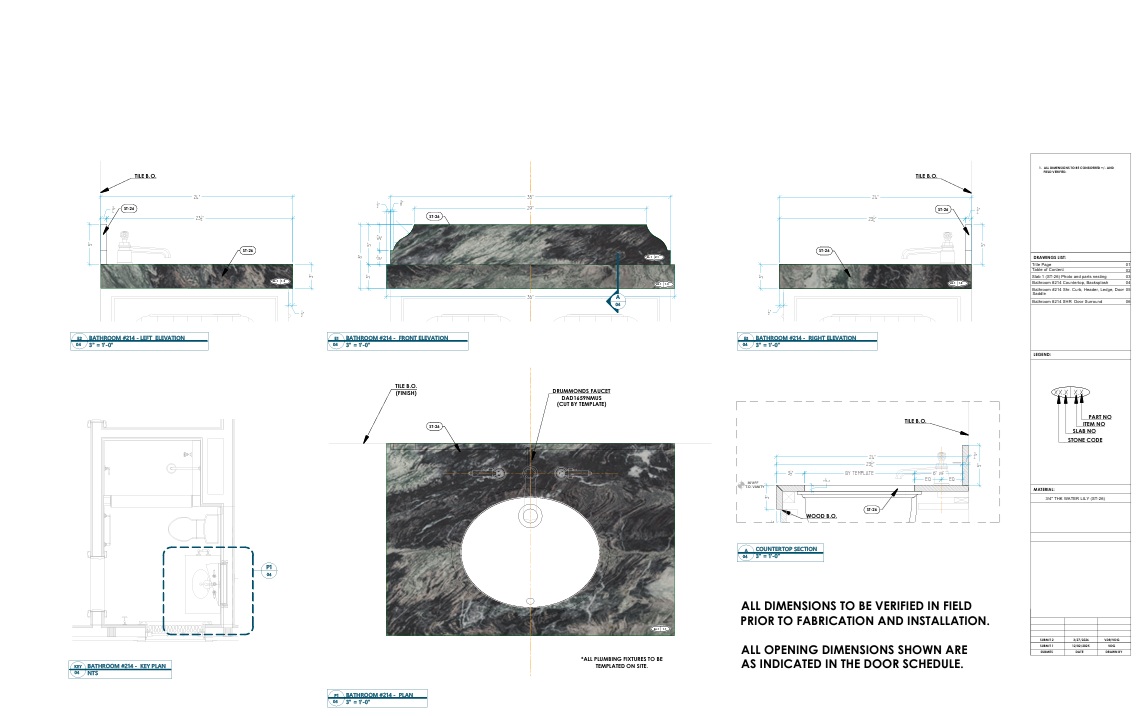
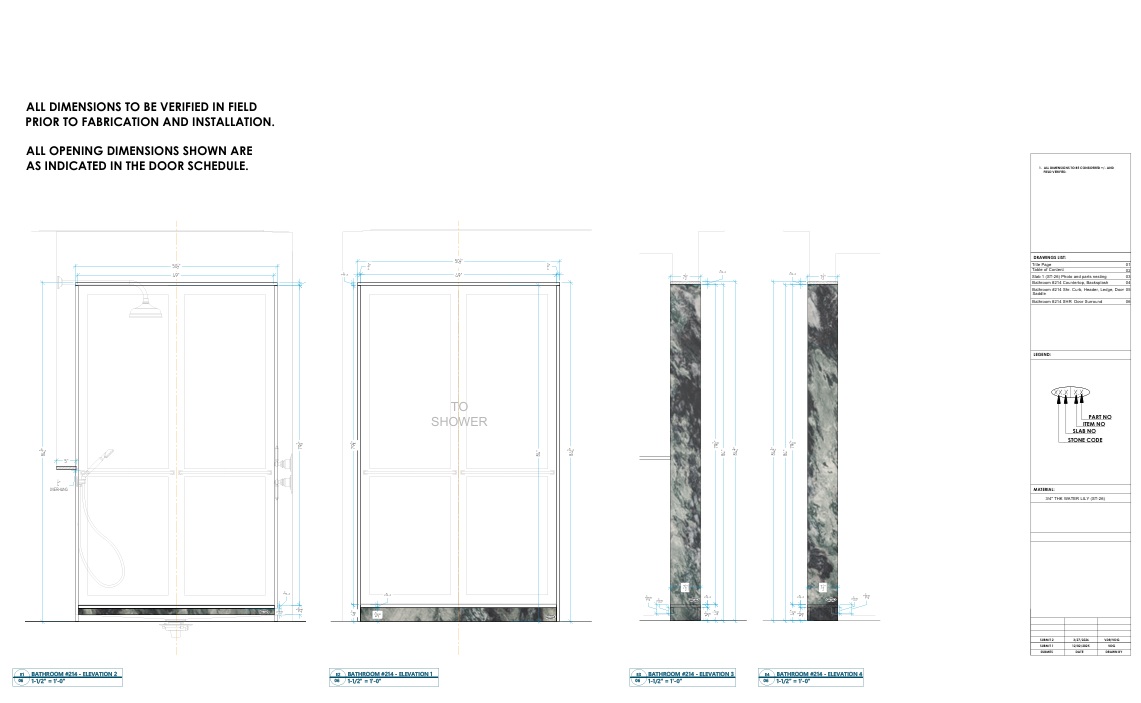
- Cut: Send the optimized layout to CNC machines for cutting.
Specialized companies: Provide “Shop Drawings” and “Setting Drawings” specifically for the stone industry, often including digital slab nesting to ensure precise vein matching and material optimization.
IDRAWPRO: Offers a specific service for stone panels shop drawings with slab nesting and rendering. The company provides professional documentation, including detailing and coordination support, typically with a 1-3 business day turnaround.
FAQ
Q: What is the difference between Digital Nesting and 3D Renderings?
A: Digital nesting is a type of flat rendering where the full scale of stone pieces are shown (based on scaled 1:1 photo) while a typical 3d render is usually a perspective view with textures applied.