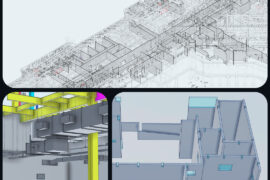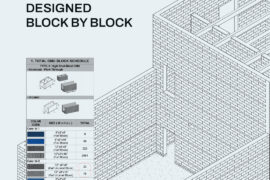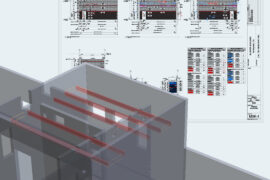

In construction, the most expensive problems rarely begin in the field. They begin much earlier—during preconstruction. When coordination is weak at this stage, the consequences show up later as delays, change orders, rework, and miscommunication on site.
Preconstruction is not just planning. It is the phase where the foundation for project coordination is established. If coordination is not built here, it gets paid for later—often at a much higher cost.
The challenge is that as projects grow, complexity grows with them. Teams expand, documentation multiplies, revisions accumulate, and multiple disciplines must work together within tight timelines. Without a structured approach to documentation and coordination, information becomes fragmented and difficult to manage.
That is why successful preconstruction is less about tools and more about systems.
The Role of Structure in Preconstruction
Many teams rely on multiple digital tools to manage drawings, specifications, schedules, and communication. While these tools are valuable, they only work effectively when they operate within a clear system.
Software can assist coordination, but it cannot replace the underlying structure of the work.
A strong preconstruction system typically includes four essential elements.

1. Defined Inputs and Scope
Every coordination process begins with clarity around what information is required and who provides it. When inputs are undefined, teams often work with incomplete or outdated information.
Defined inputs ensure that:
- required drawings and documentation are identified early
- disciplines understand what information must be delivered
- coordination reviews are based on consistent data
Without this clarity, coordination meetings become discussions about missing information rather than solving real design conflicts.
2. Clear Ownership of Decisions
Construction projects involve dozens of decisions across design, engineering, and project management teams. When ownership of these decisions is unclear, progress slows.

Clear ownership ensures that:
- decisions are made by the right stakeholders
- issues are resolved efficiently
- responsibility for changes is documented
When ownership is ambiguous, teams often revisit the same decisions multiple times, creating delays and confusion.
3. Controlled Revisions and Status
Drawings and documents evolve constantly during preconstruction. Revisions are normal—but uncontrolled revisions are not.
Without a clear revision system:
- teams may work from different versions of the same drawing
- assumptions are made based on outdated information
- coordination conflicts appear during construction
Controlled revision tracking provides visibility into what has changed, when it changed, and whether it has been reviewed. It ensures that teams are always working from the correct version of the documentation.
4. One Shared Source of Truth
Perhaps the most critical component of coordination is having a single place where project documentation lives.
When information is scattered across emails, file folders, cloud drives, and multiple platforms, teams spend valuable time trying to determine which document is the correct one.
A shared source of truth ensures that:
- all stakeholders access the same information
- updates are visible to everyone involved
- coordination decisions remain documented and traceable
Instead of reconciling multiple versions of the same document, teams can focus on moving the project forward.
When Systems Are Missing
When these structural elements are not in place, coordination becomes reactive rather than proactive.
Teams spend time:
- reconciling conflicting drawing versions
- searching for the latest updates
- clarifying responsibilities for unresolved issues
- repeating coordination discussions
This creates friction across the entire project lifecycle. What could have been resolved in preconstruction becomes a field issue—where the cost of correction is significantly higher.
The result is familiar across the industry: schedule pressure, budget overruns, and strained collaboration between teams.
Documentation as a Coordination System
Preconstruction documentation should do more than record project information. It should actively support coordination.
This means documentation must be:
- structured
- transparent
- revision-controlled
- accessible to all stakeholders
When documentation functions as a coordination system, it becomes the framework that keeps teams aligned.
Instead of simply storing files, the documentation process supports decision-making, issue tracking, and collaboration.

How IDRAWPRO Supports Preconstruction Coordination
This is exactly the problem that IDRAWPRO is designed to address.
Rather than acting as just another file storage tool, IDRAWPRO supports documentation structured as a coordination system. It helps teams organize project information in a way that reinforces the processes required for effective preconstruction.
With a structured approach to documentation, teams can:
- maintain clear control over revisions and drawing status
- align inputs from multiple disciplines
- document ownership of coordination decisions
- provide one shared source of project information
By supporting these processes, IDRAWPRO helps reduce the time teams spend reconciling tools, versions, and assumptions.
Building Coordination Early
The success of a construction project is rarely determined once crews arrive on site. It is largely determined by the quality of coordination established during preconstruction.
When teams build coordination early—through clear systems, structured documentation, and defined responsibilities—they reduce uncertainty throughout the project.
Software can support this work, but it cannot replace the system behind it.
Preconstruction is where coordination gets built. And when it is built well, the entire project benefits—from design through construction and beyond.